Your first hour on a boat usually decides everything. If it feels confusing, you stay on shore next time. If it feels easy, safe and exciting, the sea gets under your skin very quickly.
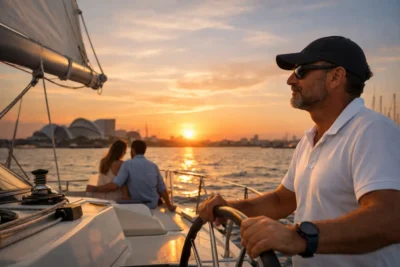
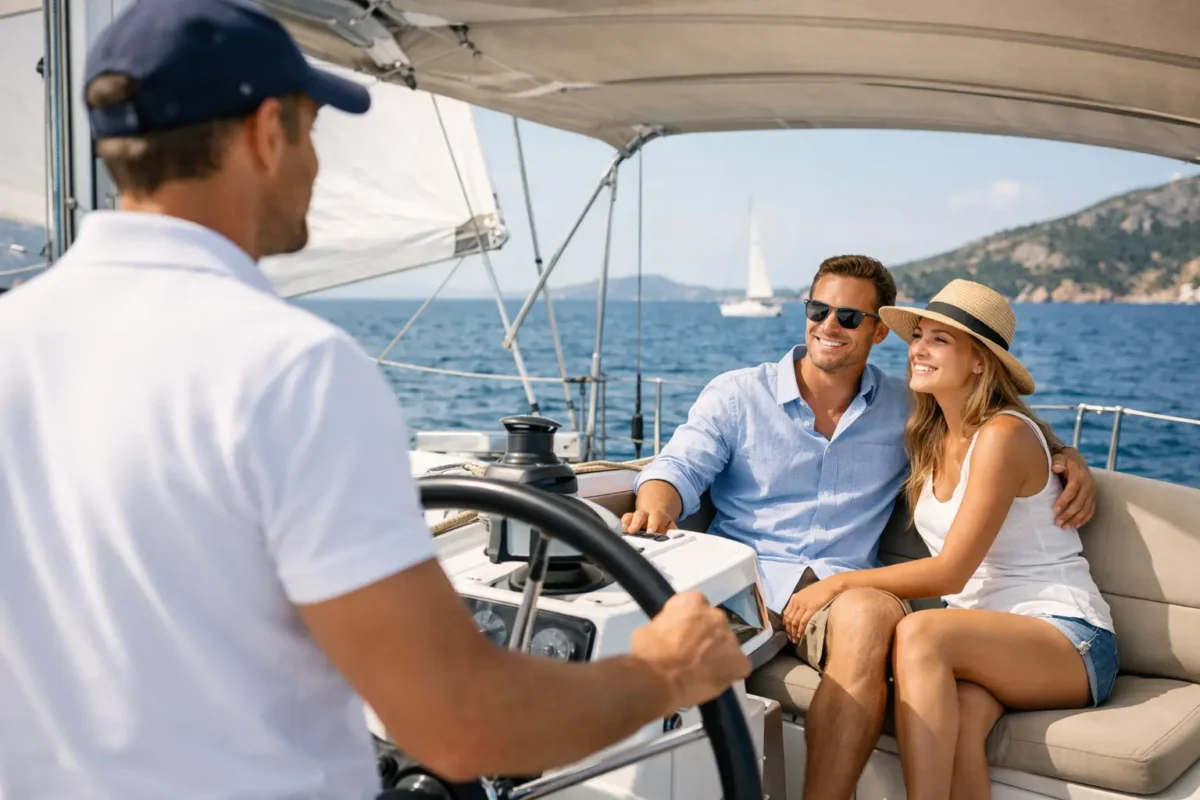
That is exactly why a skippered charter for beginners works so well. You get the freedom, scenery and thrill of being out on the water without the pressure of having to command the boat yourself. An experienced skipper takes care of navigation, manoeuvres and safety, while you focus on enjoying the day and learning how life at sea actually feels.
What a skippered charter for beginners actually means
A skippered charter is a boat hire with a professional skipper onboard. You are not renting the vessel and being left to work it out. You are stepping onto a boat with someone who knows the local waters, understands the conditions and takes responsibility for handling the vessel.
For beginners, that changes everything. It removes the biggest barrier, which is confidence. You do not need previous sailing knowledge, a licence or any technical background to have a great day on the water. You can simply arrive, get briefed and start enjoying the experience from the first moment.
This also makes it a smart option for people who are curious about boating but are not yet ready to commit to lessons, a qualification or bareboat hire. It is a way to test the experience properly, not from the dock but out at sea where the real magic happens.
Why beginners usually enjoy it more than going alone
A lot of first-time clients think freedom means doing everything themselves. In reality, that can be the fastest route to stress. Boats are not difficult in the same way as a car is difficult, but they are different enough to catch newcomers off guard. Wind, mooring, sea state and harbour traffic all add variables that beginners do not yet read instinctively.
With a skipper onboard, the day stays fun. You are not worrying about charts, berthing or whether a change in weather matters. You can ask questions, move at your own pace and get comfortable with the environment. For couples, families and groups of friends, it also means everyone relaxes instead of one person carrying the pressure of responsibility.
There is another advantage people often overlook. A good skipper does not just drive the boat. They shape the day. They know where the water is calmer, where to stop for a swim, when to move before conditions change and how to adapt the route to the group onboard. That kind of judgement makes the experience feel polished rather than improvised.
What to expect on the day
Your day usually starts with a short welcome and safety briefing. This is not a formal lecture. It is a practical explanation of where to sit, how to move around safely, where lifejackets are kept, what the plan is and what to do if you need anything. If you are new to boats, this briefing is reassuring because it gives you a clear sense of order from the start.
Once underway, most beginners are surprised by how quickly they settle in. The noise of the harbour drops away, the coastline opens up and the atmosphere changes. Some charters are built around relaxation, with swimming stops, sunbathing and coastal cruising. Others feel more active, with a bit more speed, more movement and more of the hands-on side of boating.
If you want to learn, say so. Many skippers are happy to explain the basics, from reading the wind to understanding how the boat responds in a turn. If you want a pure leisure experience, that works too. The point of a skippered charter is flexibility.
Do you need any sailing experience?
No. For a true beginner, that is the whole appeal.
You do not need to know nautical terminology. You do not need to understand knots. You do not need to have spent time on a yacht before. The skipper is there precisely because you are not expected to manage the vessel yourself.
That said, beginners should still arrive with the right mindset. Boats move differently from land-based experiences, and the sea is never completely predictable. If you come expecting a luxury terrace that happens to float, you may be caught out by spray, motion or wind. If you come ready for a real marine experience, you will enjoy it far more.
Choosing the right type of charter
Not every first trip should be the same. It depends on who you are, who you are travelling with and what kind of day you want.
If you are nervous, a shorter coastal trip is often best. It gives you a feel for the boat without turning the day into an endurance test. If you already love the sea and want something more memorable, a half-day or full-day charter with swimming stops can be the right call. Groups celebrating a birthday or special occasion often prioritise atmosphere and space, while couples may care more about privacy and a smooth, scenic route.
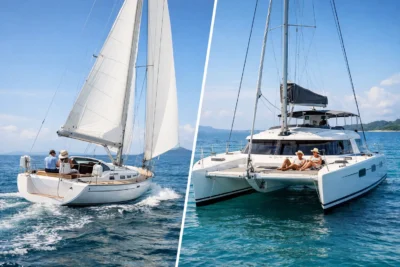
Boat type matters as well. A motorboat can feel fast, direct and exciting. A sailing yacht usually offers a more relaxed rhythm and a quieter connection with the water. Neither is universally better for beginners. It depends on whether you want adrenaline, comfort, simplicity or the classic sailing feel.
This is where local expertise matters. In a place like Valencia, conditions, routes and boat choice can shape the whole experience. A provider with real operational experience can match beginners to the right format instead of just selling whatever is available.
What a beginner should pack
Keep it simple. Soft-soled shoes if required, swimwear, a towel, sun cream, sunglasses and a light extra layer usually cover most trips. Even on warm days, the breeze at sea can feel cooler than expected, especially once the boat is moving.
Do not overpack. Large rigid bags get in the way, and valuables are best kept to a minimum. If you are prone to motion sickness, prepare before boarding rather than waiting to see what happens. Some people are completely fine until the boat stops at anchor, while others feel it when leaving the harbour. It depends on the person, the weather and the type of boat.
Hydration matters more than beginners think. Sun, salt air and wind tire people out quickly, even on a relaxed charter.
Common worries, and what is actually true
The most common fear is seasickness. It can happen, but first-time guests often assume it is inevitable when it is not. Calm conditions, the right boat and sensible preparation reduce the risk significantly.
The second worry is safety. A professionally run skippered charter is designed around safety from the start. The skipper knows the vessel, the area and the conditions. Good operators do not treat this as an afterthought. They brief properly, watch the weather and adapt the plan when needed.
Another concern is whether beginners will feel awkward or out of place. Usually, the opposite happens. People settle in quickly because there is no expectation to perform. You are there to enjoy the sea, not to prove anything.
Is it worth the cost?
For beginners, yes, often more than bareboat hire would be. When you factor in the skipper’s knowledge, reduced stress and better overall experience, the value is clear. You are paying for more than transport. You are paying for confidence, judgement and a smoother day from start to finish.
It is also a smart way to avoid false starts. Many people decide whether boating is for them after a first experience. If that experience is badly organised or too demanding, they walk away. If it is well-run, they come back for more, sometimes for another charter and sometimes for formal training.
That is one reason a 360-degree nautical business such as Alfa Náutica makes sense for newcomers. The first day out can be pure leisure, but it can also be the beginning of something bigger.
From passenger to future skipper
A skippered charter for beginners is not only a holiday-style experience. For some people, it is the first step towards learning to navigate independently. Once you have seen how a boat moves, how a harbour works and how much there is to enjoy on the water, qualifications start to feel less abstract and much more achievable.
Not everyone wants that next step, and that is fine. Plenty of people simply want a brilliant day at sea with no responsibility beyond choosing where to sit and when to swim. But if the experience sparks something, you will already have a practical reference point that makes future training easier to understand.
The best first charter leaves you with two feelings at once. You feel looked after, and you feel closer to the sea than you were before. That balance matters. Adventure is always better when confidence comes with it.
If you have been waiting for the right way to get started, this is usually it. No licence, no guesswork, no pressure. Just the coast ahead, a skipper in control and your first proper taste of freedom on the water.